
The Field of Osteopathy
Osteopathic Physician Care
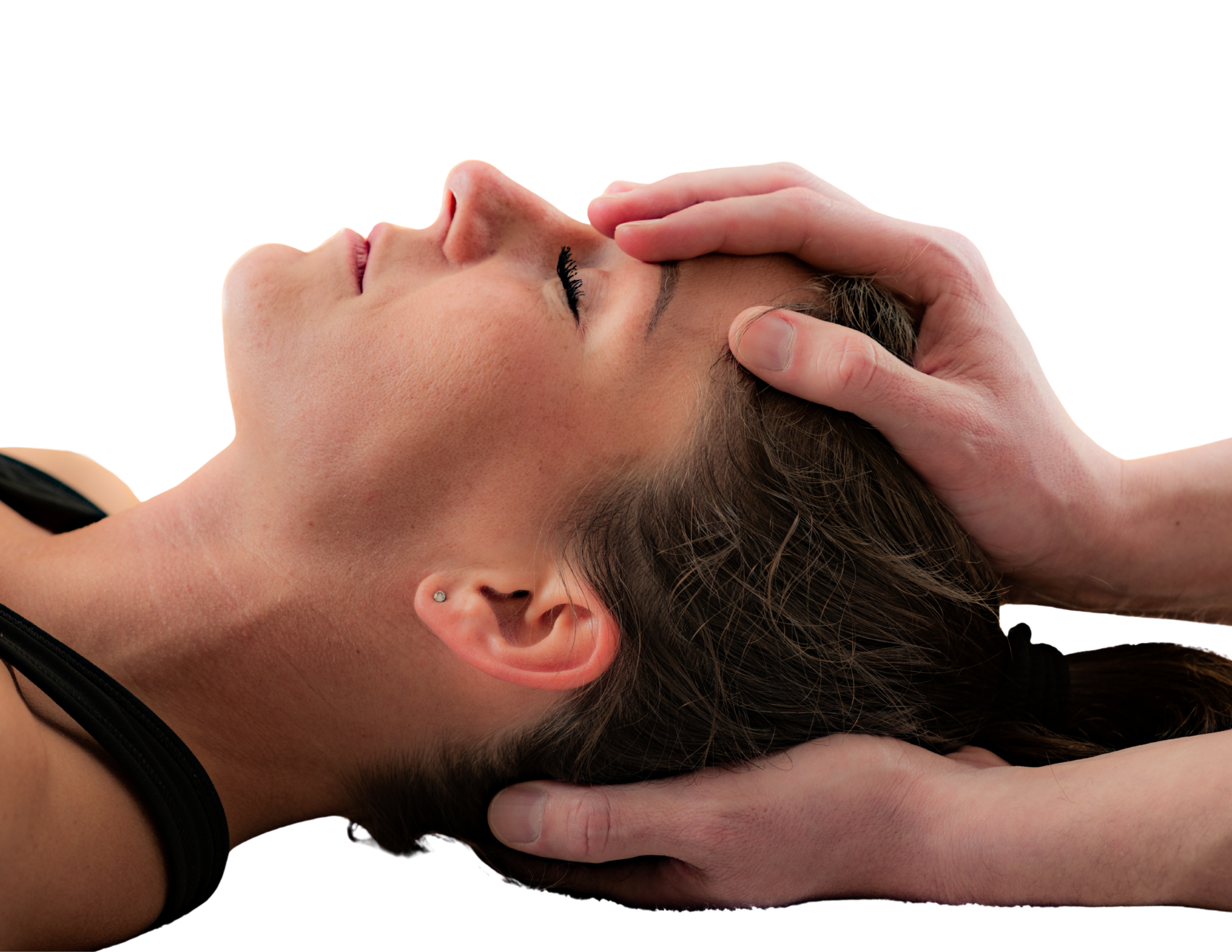
Osteopathic physicians learn over 40 techniques to treat the entire body, from the cranium to the small bones of the face! These techniques range from direct work on tight muscles and misaligned bones, to more subtle unwinding of facial strains and increasing circulation to trigger points, as well as a gentle osteopathic technique called osteopathy in the cranial field, sometimes referred to as cranial/sacral treatments. This can directly affect the central nervous system. The pressure applied varies and ranges from gentle to firm hand pressure.
Structure Governs Function – A Main Tenet of Osteopathy
Osteopathic Manual Medicine, OMM, is based on the principle that all parts of our body are connected. A knee problem, for example, can strain the hip, which in turn may affect the abdominal organs.
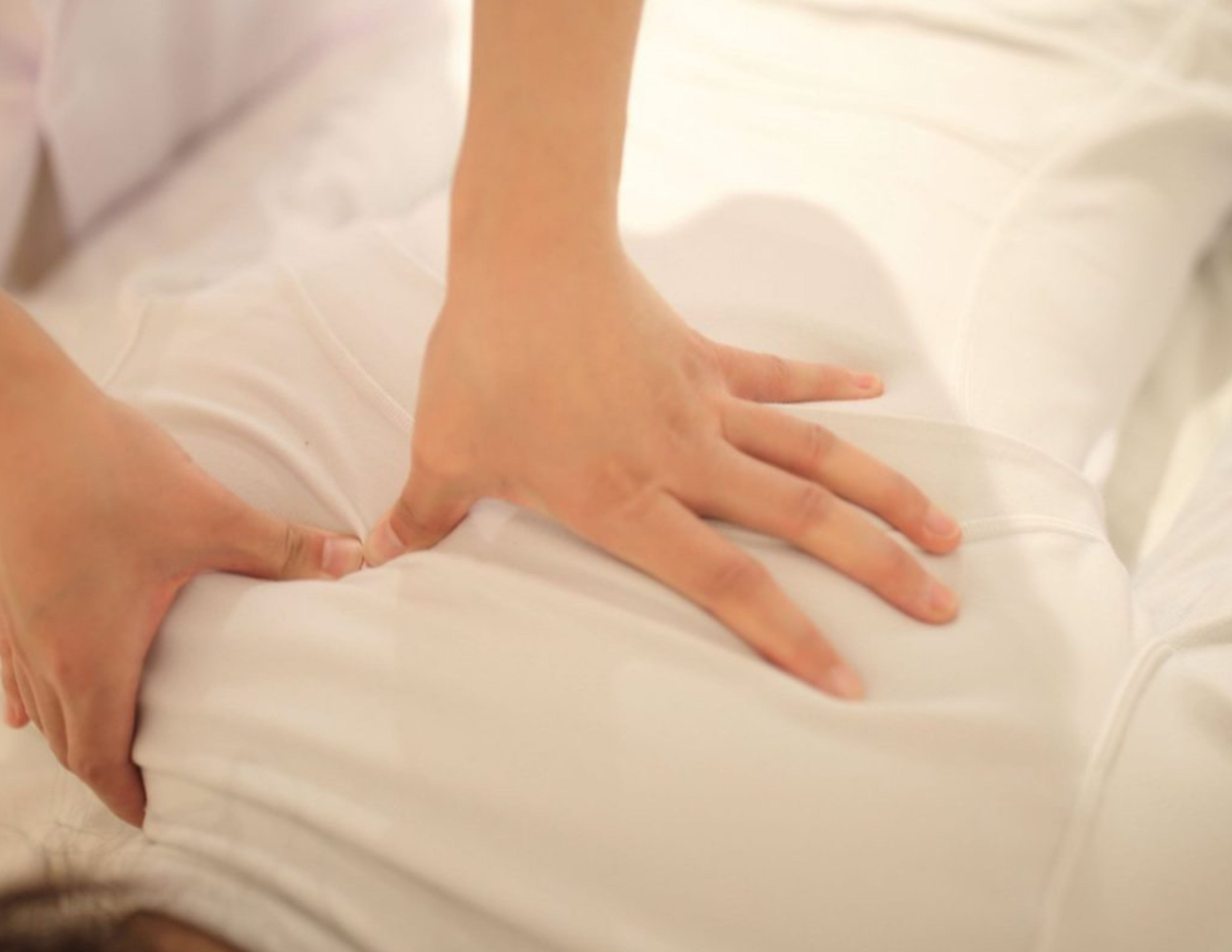
We use our hands to find restrictions in the musculoskeletal system. When movement is constrained, it affects more than just muscles and bones—it can impact blood flow, nerve signals, and lymphatic drainage in that area too.
Releasing those restrictions allows the whole system to function better. When circulation and nerve transmission improve, so does your overall health.
What is an Osteopathic Medical Degree?
Osteopathic physicians follow a rigorous educational path. After earning at least a bachelor's degree, they take the MCAT exam and apply to medical school—either allopathic (M.D.) or osteopathic (D.O.) programs.
Osteopathic medical school is a four-year program, just like traditional medical school. The curriculum covers pharmacology, anatomy, surgery, and all other core medical subjects, with the addition of hands-on osteopathic treatment training.
Graduates earn a D.O. (Doctor of Osteopathy) degree, which is equivalent to an M.D. After medical school, completion of a residency program at a teaching hospital is required. Residencies span a wide range of specialties—internal medicine, surgery, OB/GYN, neurology, and more—and typically last three to five years, or longer for those pursuing subspecialties such as pediatric neurosurgery.
After residency, physicians may seek employment at healthcare facilities or establish a private practice.
Osteopaths in Practice
While many osteopathic physicians go on to practice in traditional medical specialties, a small number of us remain dedicated to hands-on treatment. Fewer than 10% of D.O.s continue using osteopathic manual medicine after residency—making this approach rare and specialized.
For those of us who do, it's a calling. We're passionate about treating the whole person, taking the time to work directly with your body, and taking direct accountability for your outcome. It's a more involved approach than simply writing a prescription, and that's exactly why we do it.